
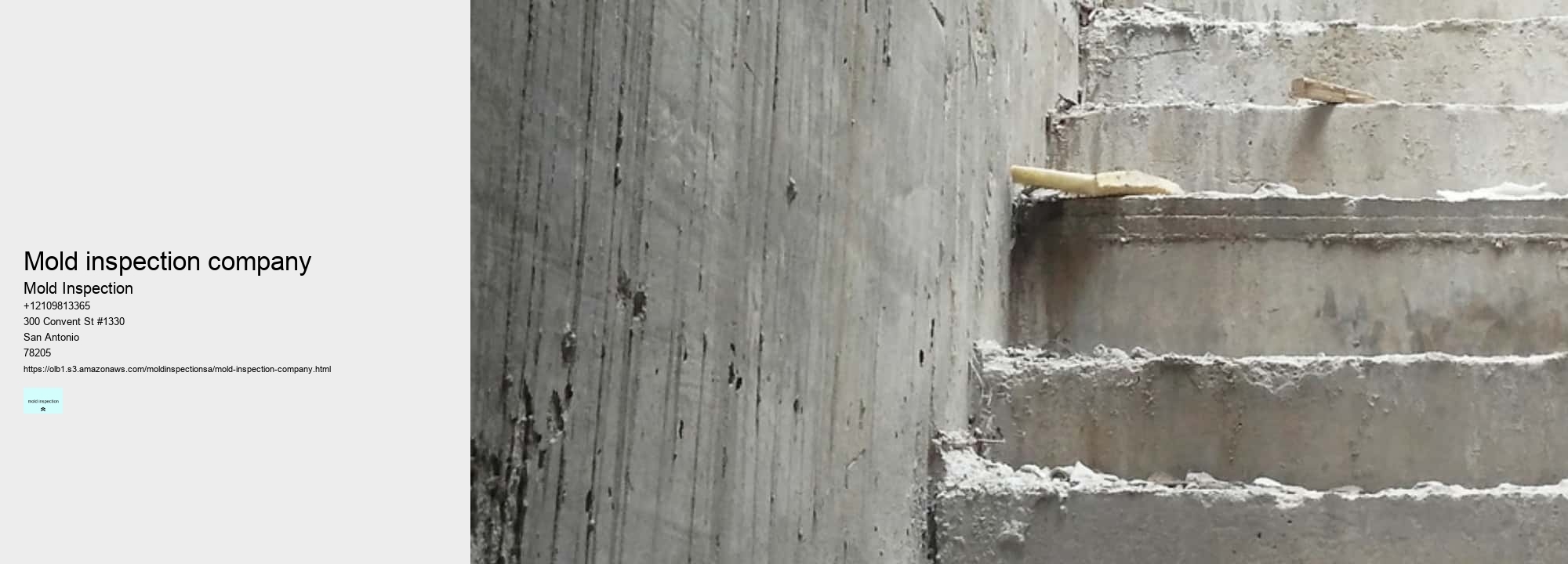
Mold in walls is a serious issue that can cause health problems. (It) Can be difficult to detect, but is there a tool for it? Yes, there are! There are several methods to identify and diagnose mold growth within your walls.
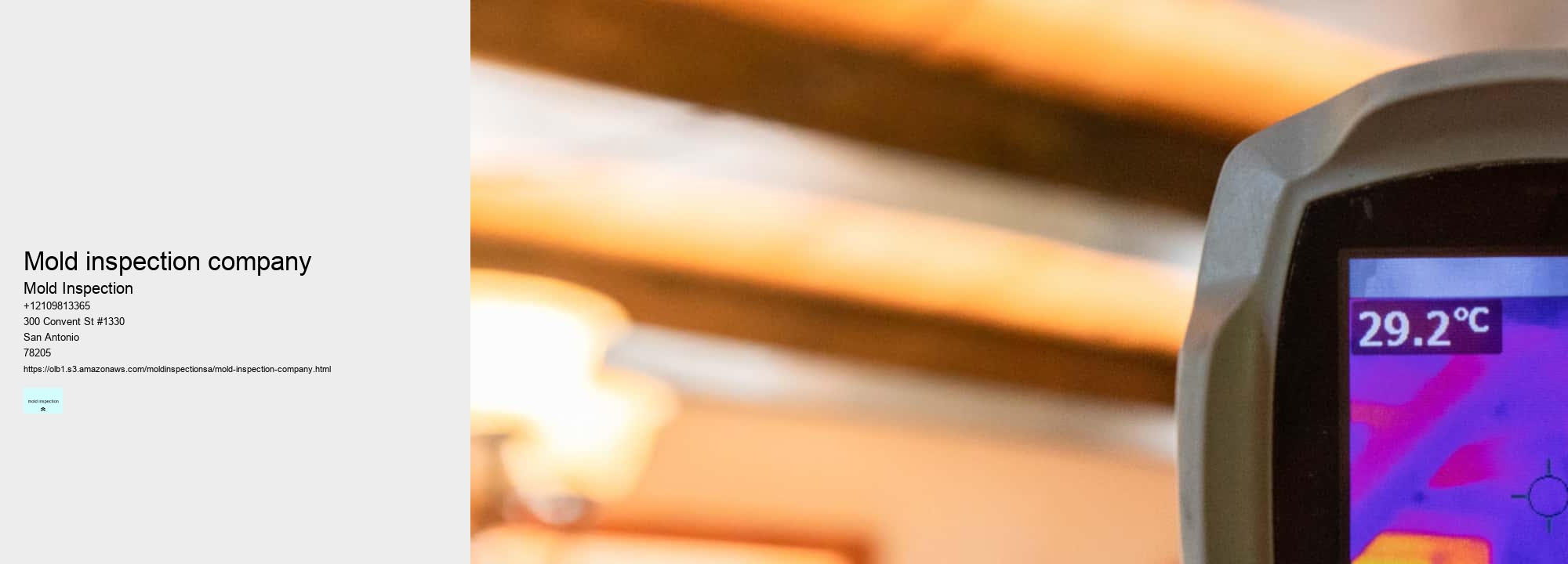
Using a moisture meter might be the most reliable way to detect the presence of mold in walls. This device measures the amount of moisture content in an area and will help you determine if mold is present. It's important to note that this method only works when the wall has been exposed to water or humidity for some time already - it won't detect possible future issues.
Is it bad to sleep with mold in bedroom? (No!) Sleeping with mold in one's bedroom is not only undesirable but can also be dangerous! Mold spores are microscopic particles that are released into the air and can cause severe respiratory issues. Not only does this make sleeping difficult, but it can also have long-term health impacts. In addition, mold can damage furniture, carpets and other fabrics over time. Furthermore, a damp environment is conducive to the growth of mold and can increase the chance of an infestation.
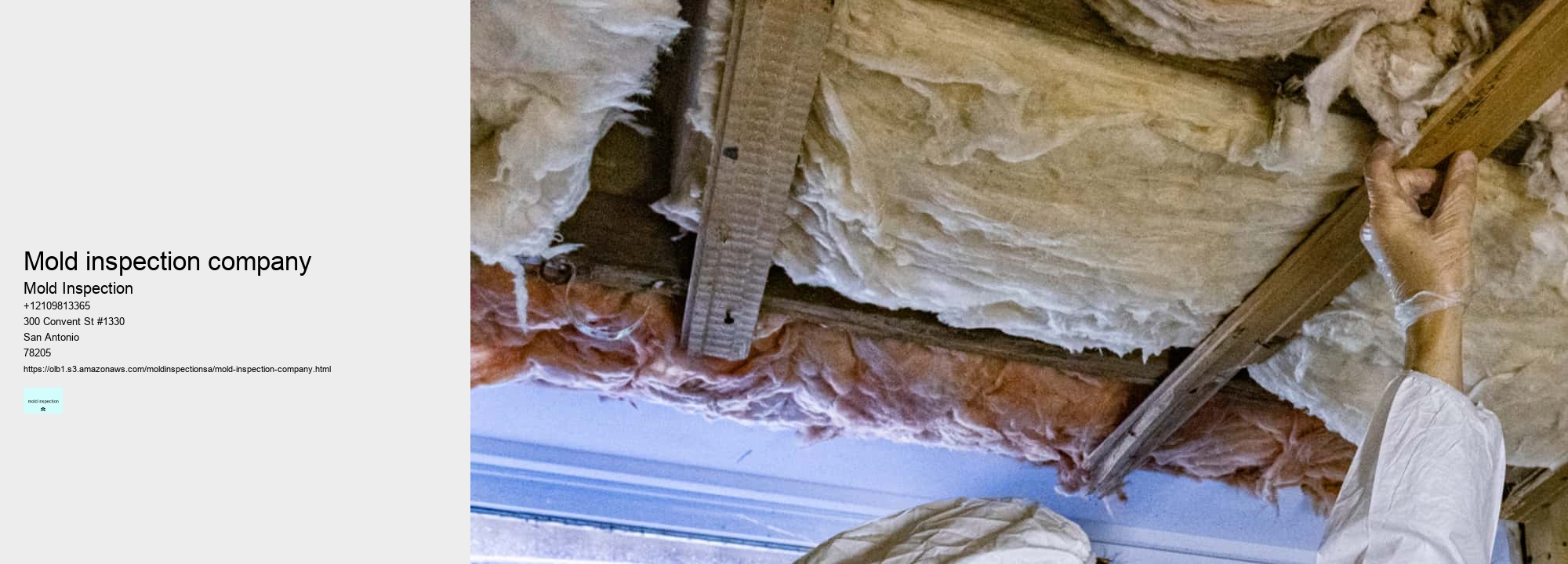
Can mold inside walls make you sick? This is a question that many people are wondering about, and the answer is (yes!)! Mold spores can be found in both indoor and outdoor environments, and when they become airborne, they can cause health problems. Not only can inhaling mold spores make you feel ill, but it can also cause long-term damage to your respiratory system. Even worse, (if) mold grows inside your home's walls, it can actually penetrate other materials like insulation or wallpaper and spread even further into your living space.
Furthermore, mold growth in your home's walls may not be immediately noticeable. Therefore, if left unchecked for too long – which happens more often than not – the health effects could be quite severe. The most common symptoms associated with exposure to mold indoors are runny nose; wheezing; eye irritation; coughs; skin rashes; asthma attacks; headaches; fatigue; nausea and difficulty breathing. In extreme cases of prolonged exposure where there is a large amount of toxic black mold present on the surfaces of the walls, there is even a risk of developing serious infections such as pneumonia or bronchitis!
Mold inspection is very important! (It) can help to identify potential problems in the home, and prevent future issues. It's essential to have a professional mold inspector come and take a look at your house, as they can detect any possible issues that you may not be aware of. Negatively speaking, if left unchecked, mold growth can lead to significant health hazards and costly repairs.
First off, it's important to understand what kind of molds are typically found in homes. The most common type is called Cladosporium, which appears as green or black spots on walls or surfaces. Other types include Aspergillus, Penicillium, Alternaria and Stachybotrys Chartarum - all of which can cause serious respiratory problems for those living in the environment.
Furthermore, having a mold inspection done will alert you to any moisture or humidity levels that are too high for your home. High humidity levels create the perfect conditions for mold spores to grow and spread quickly. (It) could mean water damage from leaking pipes or other sources that you don't know about yet - so discovering this early on is key!
Another great benefit of getting a mold inspection is being able to identify any odors that may point towards an infestation. Musty smells are usually the first sign of trouble - but without proper testing these smells might go unnoticed until its too late! Lastly, if there has been flooding in your area recently then it's absolutely crucial you get inspected right away; Flood waters often contain fungal spores which can contaminate drywall materials and carpets - leading to a dangerous situation when not dealt with swiftly!